
Carbon monoxide detectors matter more in winter
Colourless, odourless and tasteless — why a working detector is essential protective equipment, not an optional extra.
As winter tightens its grip, heating systems work harder, and reliance on boilers and fuel-burning appliances brings a real carbon monoxide risk. Often called the “silent killer”, CO is colourless, odourless, and tasteless — which is exactly why proper detection matters.

Why is carbon monoxide dangerous?
Carbon monoxide comes from incomplete combustion of gas, oil, wood, or coal. A faulty boiler, a blocked flue, or a damaged appliance can release it indoors without any obvious sign. Poisoning symptoms include:
- Headaches.
- Dizziness.
- Nausea or vomiting.
- Confusion.
- Shortness of breath.
Extended exposure can cause unconsciousness or worse. Because the gas itself is undetectable to your senses, a working detector is genuinely essential protective equipment, not an optional extra.
Why is winter a high-risk period?
- Heating systems work harder — boilers and fireplaces see far more use during colder months.
- Homes are sealed up — closed windows and doors reduce ventilation, letting CO accumulate if a leak occurs.
- Vents and flues get blocked — snow, ice, or debris can obstruct a boiler flue, stopping CO escaping outdoors as it should.
Choosing the right detector
- Type — battery-powered detectors are portable and easy to install but need regular battery checks; hardwired versions with battery backup are installed by an electrician and connected to your home’s power.
- Certification — look for detectors meeting British or European safety standards, such as EN 50291-1:2018.
- Digital display — some models show real-time CO levels, giving you an earlier warning.
- Alarm sound — needs to be loud and distinctive enough to wake you at night; check the decibel rating and test it after installation.
- Placement — some detectors are designed for specific areas, like bedrooms or near a boiler.
- Smart features — premium models can alert your phone if CO levels rise while you’re away.
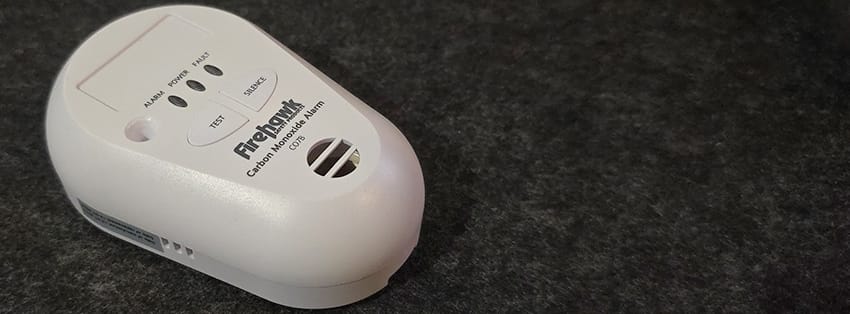
Where to place your detectors
- Near bedrooms — so the alarm can wake you at night.
- Close to appliances — near boilers, gas fires, or other fuel-burning equipment.
- At head height — following the manufacturer’s specific mounting guidance.
- One per floor — for proper coverage across the whole home.
How to maintain your detectors
- Test monthly — press the test button to confirm it’s working.
- Replace batteries — annually, or as soon as you get a low-battery alert.
- Replace old detectors — most need replacing every 5–7 years depending on the manufacturer.
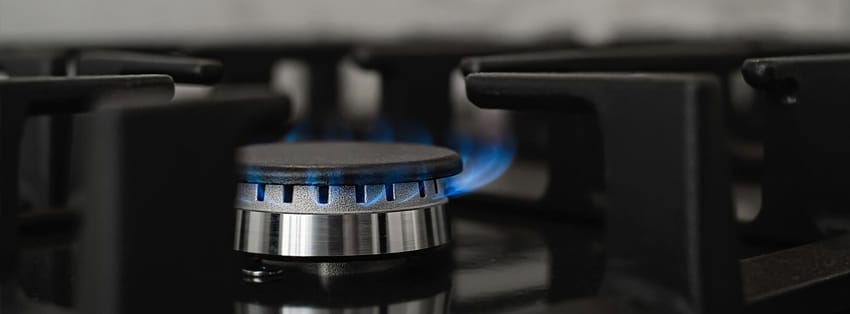
Prevent leaks with servicing and upgrades
- Book regular boiler servicing — a professional inspection checks for faults, ensures proper ventilation, and cleans components, all essential for preventing CO leaks.
- Upgrade an old or inefficient boiler — a system over 10 years old brings less advanced leak-prevention alongside higher running costs.
- Keep flues and vents clear — remove snow, ice, and debris that could block them.
Uncertain about the condition of your boiler or heating system? Our Gas Safe engineers offer servicing, new installations, flue and ventilation checks, and honest advice on detectors — get in touch to book a service or consultation this winter.
Prefer to talk to a real person?
You'll speak to the engineer who'd actually do the job — not a call centre script. Ask us anything, or get a free quote.
Keep reading
More from the blog
 Gas Safety & Compliance
Gas Safe Registered Engineers: What It Really Means
A simple guide to what Gas Safe registration means and why it matters when choosing a boiler or heating engineer.
Read more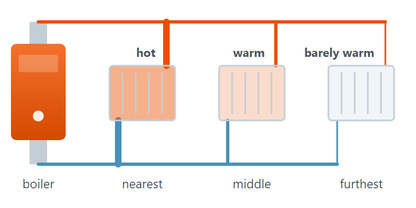 Home Heating Advice
Why Some Rooms Never Get Warm (and It’s Usually Not the Boiler)
The lounge is roasting and the back bedroom never gets there. The boiler gets blamed, but it's usually where the hot water goes once it leaves.
Read more Commercial & Landlord Heating
Making the Case for a New School Boiler
If you’ve ever tried to get a school boiler replaced, you’ll know the hard part isn’t the engineering. It’s convincing somebody holding a budget that the thing is genuinely finished, and not just annoying. We’re on the wrong side of that conversation fairly often. A boiler we know is beaten, a business manager who believes … Continued
Read more