
Common plumbing problems, sorted
Which plumbing problems you can safely tackle yourself, and which ones to call a professional for.
A dripping tap that won’t quit, a blocked sink that overflows at the worst moment, or a mysterious leak sending your water bill up — plumbing problems have a habit of turning a comfortable home into a headache. The good news is that plenty of common plumbing problems can be tackled by a resourceful homeowner, and it helps to know which ones.
DIY or call the professionals?
This guide will help you recognise some of the most common plumbing problems and what’s usually behind them — but some jobs are genuinely better left to a professional, and it’s worth knowing where that line sits.
Common plumbing problems
A dripping tap. A persistent drip wastes water and money, and it’s usually a worn-out washer. Most taps have replaceable washers, and a straightforward DIY job for the right tools — but if the drip persists, it’s worth calling in a plumber.
A blocked sink or drain. For minor blockages, a plunger often does the job. Stubborn clogs may need a drain snake suited to the size and location of the blockage. If it persists, or you’re not comfortable tackling it yourself, we’re a call away.

Hidden leaks. Leaks can hide behind walls or under sinks — a damp patch, unexplained high water bills, or the sound of running water with all taps off are the usual tell-tale signs. Small isolated leaks can sometimes be fixed with a pipe repair kit, but a professional has the tools to locate hidden leaks properly and make sure the repair actually holds.
Low water pressure. A weak shower or a whisper of a kitchen tap can come from blocked pipes, a faulty pressure regulator, or a leak in the main water line. Replacing a clogged shower head is a reasonable DIY job, but diagnosing the actual cause of low pressure is best left to a qualified plumber.
Noisy pipes. Gurgling, knocking, or banging usually means loose pipes, water hammer (a knock caused by sudden pressure changes), or trapped air. Worth having a professional diagnose it properly and recommend the right fix.
A running toilet. A toilet that keeps refilling even when it hasn’t been flushed wastes a surprising amount of water. It’s often a faulty flapper valve, a worn fill valve, or a damaged flush handle mechanism — a flapper valve swap is a reasonable DIY job, but more involved repairs are best left to a professional.
When in doubt, it’s always worth erring on the side of caution and calling a professional plumber.
Preventative maintenance tips
A little prevention goes a long way with plumbing:
- Avoid pouring grease or fats down the drain — let it cool and solidify, then bin it, rather than letting it clog your pipes.
- Install drain guards in sinks and baths to trap hair and debris before it causes a blockage.
- Flush toilets regularly to help prevent blockages.
- Don’t overload drains with toilet paper or anything else that isn’t meant to go down there.
We’re your local plumbing team, not just for Colchester but the surrounding areas too — if you’re facing a plumbing problem, big or small, get in touch. We also offer preventative maintenance plans to help you avoid plumbing emergencies altogether.
Prefer to talk to a real person?
You'll speak to the engineer who'd actually do the job — not a call centre script. Ask us anything, or get a free quote.
Keep reading
More from the blog
 Plumbing & Water
Protect Your Pipes from Freezing this Winter
How to protect your pipes from freezing this winter — insulation, temperature, and what to do if a pipe does freeze.
Read more Plumbing & Water
Top Plumbing Checks Every Homebuyer Must Do
Essential plumbing checks before buying a home — pipes, the water heater, drainage, and the checks worth a professional eye.
Read more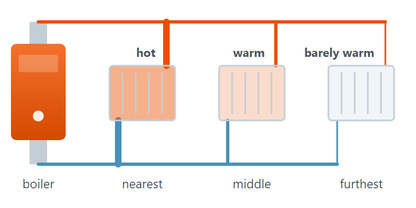 Home Heating Advice
Why Some Rooms Never Get Warm (and It’s Usually Not the Boiler)
The lounge is roasting and the back bedroom never gets there. The boiler gets blamed, but it's usually where the hot water goes once it leaves.
Read more