
Protect your boiler from limescale
Colchester and Essex have some of the hardest water in the UK — what that does to your boiler, and how to keep it under control.
What is limescale build-up?
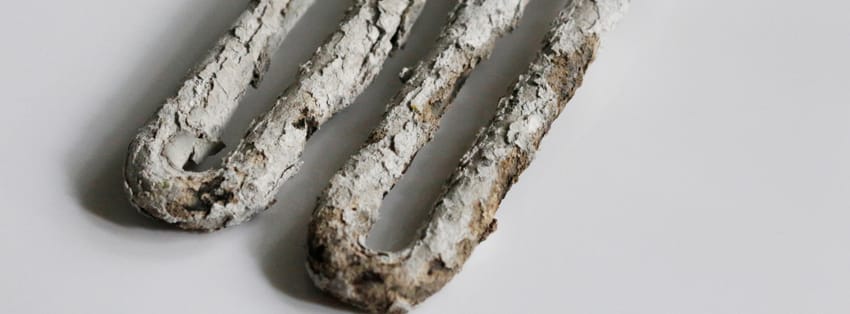
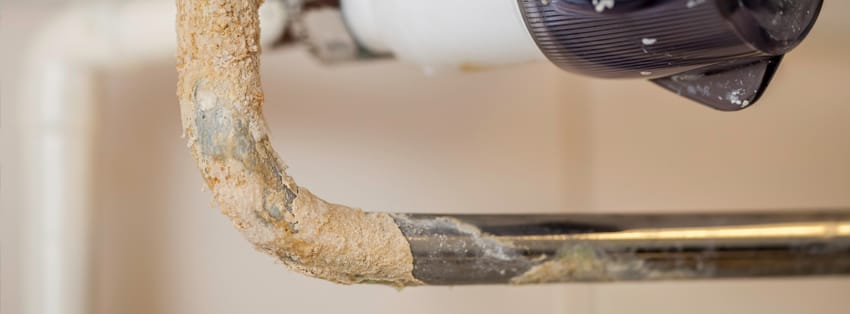
Limescale is a chalky white deposit made up mostly of calcium carbonate. It forms when hard water — water containing high levels of calcium and magnesium — is heated. As water passes through your heating system or boiler and warms up, these minerals solidify and cling to internal surfaces like pipework, radiators, and heating elements.
In Colchester, Ipswich, and across Essex this is especially common. Our region has some of the hardest water in the UK, thanks to the chalk-rich ground and mineral-heavy supply — which means every time your boiler runs, even just to produce hot water, it’s building up scale faster than homes in softer water areas. The hotter the water, the faster the limescale forms, and over time this hard, crusty build-up acts like an insulator and causes problems throughout your central heating system.
Why Colchester and Essex homes are affected
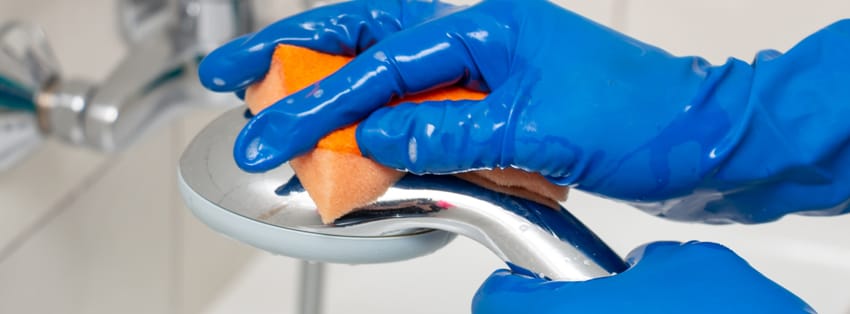
If you live in Colchester or anywhere in Essex, you’re in a hard water region. The local water supply is drawn from chalk-based aquifers, which naturally carry a high concentration of dissolved minerals — so every time you use hot water, whether for a shower, heating, or the washing machine, your system is at risk of limescale build-up. The more build-up, the harder your boiler has to work.
The problems limescale causes
Limescale doesn’t just sit there quietly — it actively interferes with your heating system in ways that cost you money and comfort:
- Loss of efficiency — even 1mm of scale on a heating element can reduce efficiency by up to 7%.
- Higher energy bills — your boiler has to work harder and burn more gas to reach the same temperature.
- Strange noises — a banging or rumbling sound known as “kettling”, caused by steam bubbles trapped under scale.
- Uneven heating — radiators develop cold spots where water flow is restricted.
- More breakdowns — added strain over time can lead to pump failures, leaking seals, or overheating.
- A shorter boiler lifespan — constant internal stress and poor heat transfer can mean replacing sooner than expected.
How to prevent limescale in your boiler
There are several ways to keep limescale under control:
- Fit a scale reducer. Small devices like magnetic or electrolytic scale reducers can be fitted to your pipework to reduce the impact of hard water minerals before they reach your boiler.
- Book a power flush. If you already have a build-up of scale and sludge, a power flush uses chemicals and high-speed water to remove internal blockages and improve heat transfer.
- Install a water softener. In properties with extreme hard water, a full water softener can remove calcium and magnesium from your entire supply, protecting both your boiler and household appliances.
- Get annual boiler servicing. Regular maintenance is one of the easiest ways to stay ahead of limescale — an engineer can spot early signs of build-up, flush components, and recommend treatment before it escalates.
- Use inhibitor chemicals. Your heating engineer can add a corrosion and scale inhibitor to your system, slowing mineral build-up and keeping pipes and radiators clean.
Why summer is the ideal time to act
It might feel odd to think about your boiler when it’s warm outside, but summer is genuinely the best time to tackle limescale:
- Your boiler and radiators are less in use, so maintenance won’t interrupt comfort.
- Engineers are more available for servicing and flushing.
- You’ll be fully prepared before colder weather arrives.
- Minor issues can be fixed before they become winter emergencies.
It’s also a great time to combine a limescale inspection with your annual boiler service, or a heating upgrade if you need one. We understand the impact hard water has on local heating systems — professional servicing tailored to hard water homes, power flushing, scale reducers and inhibitor treatments, all from Gas Safe registered engineers who know this water.
Prefer to talk to a real person?
You'll speak to the engineer who'd actually do the job — not a call centre script. Ask us anything, or get a free quote.
Keep reading
More from the blog
 Boiler Servicing & Repairs
What’s Actually in a Boiler Service Plan
Most people know they should get their boiler serviced. Far fewer know what that actually involves, or what a service plan adds.
Read more Boiler Servicing & Repairs
Boiler Breakdowns: What to Do Before You Call an Engineer
Boiler stopped working? A few safe checks before you call — power, thermostat, pressure, and when it's time to get an engineer out.
Read more Boiler Servicing & Repairs
Hot Water Not Hot Enough? A Troubleshooting Guide
Lukewarm or inconsistent hot water — checks worth doing yourself before you call an engineer, and the faults that need a professional.
Read more