There’s nothing quite as frustrating as stepping into what you expect to be a hot shower, only to be met with lukewarm water that barely takes the chill off. Whether it’s your morning routine being disrupted or struggling to get the washing up done properly, inadequate hot water is a problem that affects every household in Colchester and across Essex at some point.
Before calling a professional, there are several checks you can do safely yourself to identify and potentially resolve the issue. However, if you’re ever unsure or uncomfortable with any step, GH Heating’s qualified engineers are always available for callouts across Colchester and Essex.
Important Safety Warning: If you smell gas or suspect a gas leak at any point during these checks, stop immediately and call Cadet Gas on 0800 111 999. Gas safety is paramount and should never be compromised.
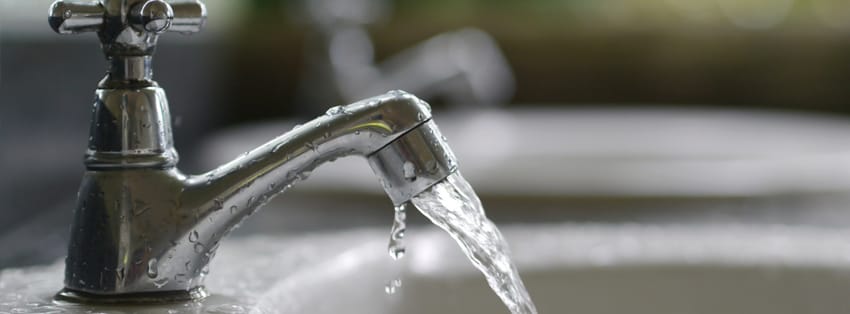
Understanding Your Hot Water System
Most homes have either a combi boiler that heats water on demand, or a system with a separate hot water cylinder that stores heated water. The troubleshooting steps differ slightly depending on your setup, but many solutions apply to both systems.
Step 1: Check Your Thermostat Settings
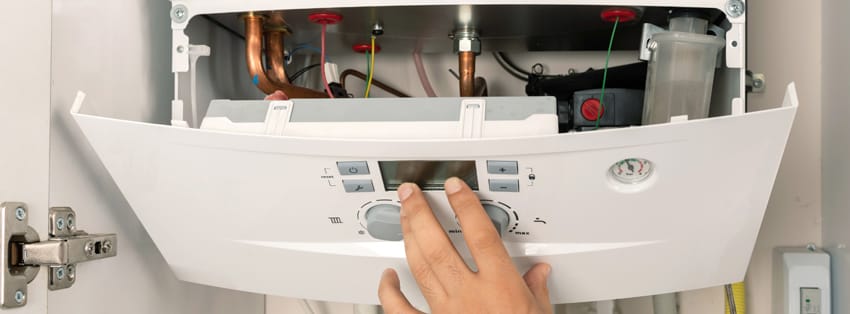
For Combi Boilers: Start by locating your boiler’s hot water temperature dial or digital display. This is usually marked with a tap symbol or “DHW” (Domestic Hot Water). The optimal setting is typically between 50-60°C. If it’s set lower, increase it gradually and test your hot water after 30 minutes.
For System Boilers with Cylinders: Check both your boiler thermostat and your cylinder thermostat (usually found on the side of the hot water cylinder). The cylinder thermostat should be set to around 60°C. If you can’t locate these controls or they seem faulty, this indicates a more complex issue requiring professional attention.
Step 2: Examine Your Timer and Programmer
If you have a system with a hot water cylinder, your hot water heating will be controlled by a programmer or timer. Check that:
- The hot water is set to “ON” or “CONTINUOUS”
- The timer periods cover when you need hot water
- The clock hasn’t reset due to power cuts
Many customers are surprised to discover their hot water issues stem from incorrect timer settings – it’s one of the most common problems our GH Heating engineers encounter during callouts.
Step 3: Check for Airlock Issues
Air trapped in your hot water pipes can significantly reduce flow and temperature. Here’s how to check and potentially resolve this:
- Turn on your hot water taps one at a time, starting with the one closest to your boiler
- Let each tap run for 2-3 minutes
- Listen for gurgling sounds, which indicate trapped air
- If you hear gurgling, try connecting a hose from a working cold tap to the problematic hot tap and turn both on briefly – this can sometimes clear simple airlocks
Step 4: Inspect Your Hot Water Cylinder (If Applicable)
For homes with hot water cylinders, several issues can affect performance:
Check the Immersion Heater: If your cylinder has an electric backup (immersion heater), try switching it on for an hour to see if this improves your hot water temperature. If the immersion heater works but your boiler doesn’t heat the cylinder, this suggests a problem with your heating system’s pump or valves.
Look for Visible Issues: Check around your cylinder for any signs of leaks, corrosion, or unusual noises. These problems require professional assessment as they often indicate internal component failure.
Step 5: Assess Your Radiators and Central Heating
Sometimes hot water problems are connected to your central heating system. If your radiators aren’t heating properly either, the issue likely lies with your boiler, pump, or system pressure. Check your boiler’s pressure gauge – it should typically read between 1-1.5 bar when the system is cold.
When to Call a Professional
While the above steps can resolve many common hot water issues, certain problems require qualified engineers:
- Boiler Error Codes: If your boiler displays error codes or warning lights
- No Hot Water at All: Complete loss of hot water often indicates component failure
- Inconsistent Temperatures: Water that alternates between hot and cold suggests internal boiler problems
- Strange Noises: Banging, whistling, or gurgling sounds from your boiler or pipes
- Visible Leaks: Any water leaks around your boiler, pipes, or cylinder
- Gas Smells: Any suspicion of gas leaks requires immediate professional attention. Call Cadet Gas on 0800 111 999.

Common Causes Requiring Professional Repair
Heat Exchanger Problems: The heat exchanger is your boiler’s most crucial component for heating water. Over time, especially in hard water areas like Colchester, limescale and sludge buildup can reduce efficiency or cause complete failure. If your hot water issues coincide with poor radiator heating or noisy operation, this often indicates heat exchanger problems.
For newer boilers (under 10 years), a power flush can often restore heat exchanger performance by removing the buildup that’s restricting flow. However, for older units or severely damaged heat exchangers, replacement becomes necessary – and at that point, upgrading to a modern condensing boiler often makes more financial sense than just replacing the heat exchanger.
Diverter Valve Issues: In combi boilers, the diverter valve switches between heating your radiators and your hot water. When this component fails, you might have perfect central heating but poor hot water, or vice versa. While diverter valve replacement is straightforward, if your boiler is over 12-15 years old and experiencing multiple component failures, it’s worth considering whether a new boiler installation would be more cost-effective than ongoing repairs.
System Circulation Problems: Poor hot water performance often stems from circulation issues caused by sludge and debris throughout your heating system. If multiple taps are affected and your radiators also heat unevenly, your entire system likely needs professional cleaning. A power flush removes years of accumulated buildup that’s restricting flow to your hot water outlets, often dramatically improving performance without any component replacements.
Prevention is Better Than Cure
Many hot water issues stem from gradual system deterioration that annual servicing alone can’t always prevent. If you’re experiencing recurring problems despite regular maintenance, it might indicate that your system needs deeper cleaning or component upgrades.
GH Heating’s comprehensive annual boiler service includes checking all hot water components and testing system efficiency. However, for systems showing signs of significant buildup or circulation problems, our engineers may recommend a power flush to restore optimal performance before problems worsen.
For customers who want complete peace of mind, our monthly boiler care plans take the worry out of hot water problems entirely – with comprehensive benefits that mean you’ll never have to stress about unexpected heating or hot water issues again.
Conclusion
While many hot water issues can be resolved with simple checks and adjustments, persistent problems usually indicate underlying system issues that require professional expertise. The key is knowing when to attempt DIY solutions and when to call for professional help.
Remember, your hot water system works hard every day, and like any mechanical system, it benefits from regular professional maintenance. Whether you’re dealing with an immediate hot water problem or want to prevent future issues, GH Heating’s qualified engineers are here to help.
Need expert help with your hot water system?
Contact GH Heating today for same-day callouts across Colchester and Essex. Our experienced engineers can diagnose and resolve any hot water issue, ensuring your home has reliable, efficient hot water year-round.